★★★★☆
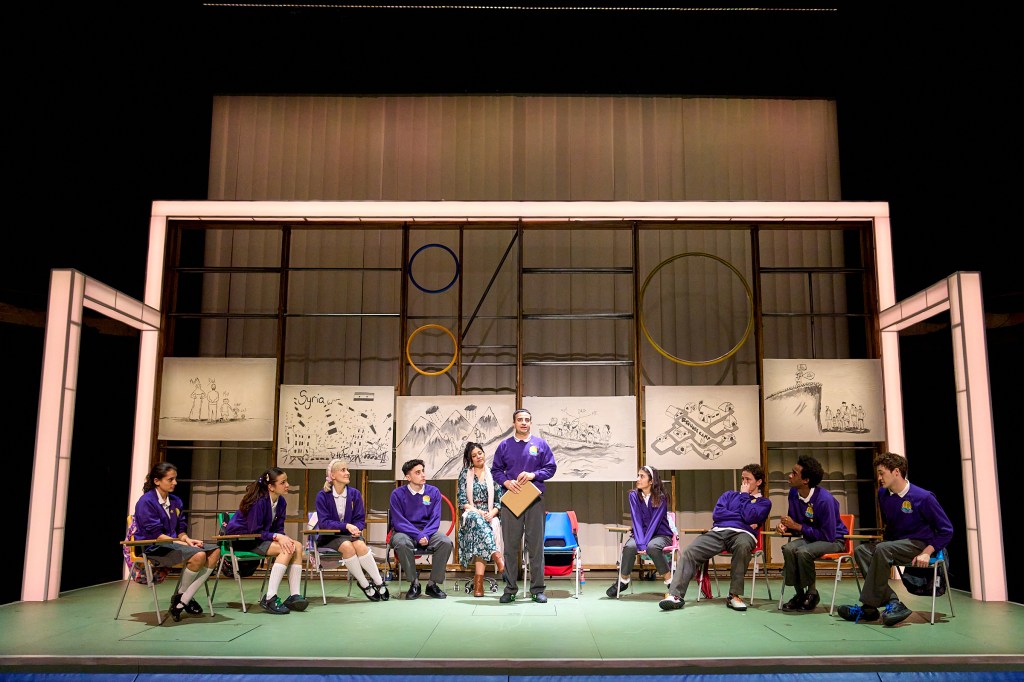
A Heartfelt Journey of Compassion: The Boy at the Back of the Class, adapted by Nick Ahad from Onjali Raúf’s acclaimed novel and brought to life by director Monique Tuoko, is a captivating theatrical experience that weaves together humour, empathy, and social consciousness. I found myself deeply moved by the play’s exploration of themes surrounding acceptance, kindness, and the refugee experience.
At the heart of the narrative lies a Year-5 class in a British state school, where the arrival of Ahmet, a Kurdish refugee boy portrayed with authenticity by Farshid Rokey, stirs a range of emotions among his classmates. From curiosity to resentment, the reactions towards Ahmet mirror the complexities of societal attitudes towards refugees, especially children fleeing war-torn
countries like Syria.
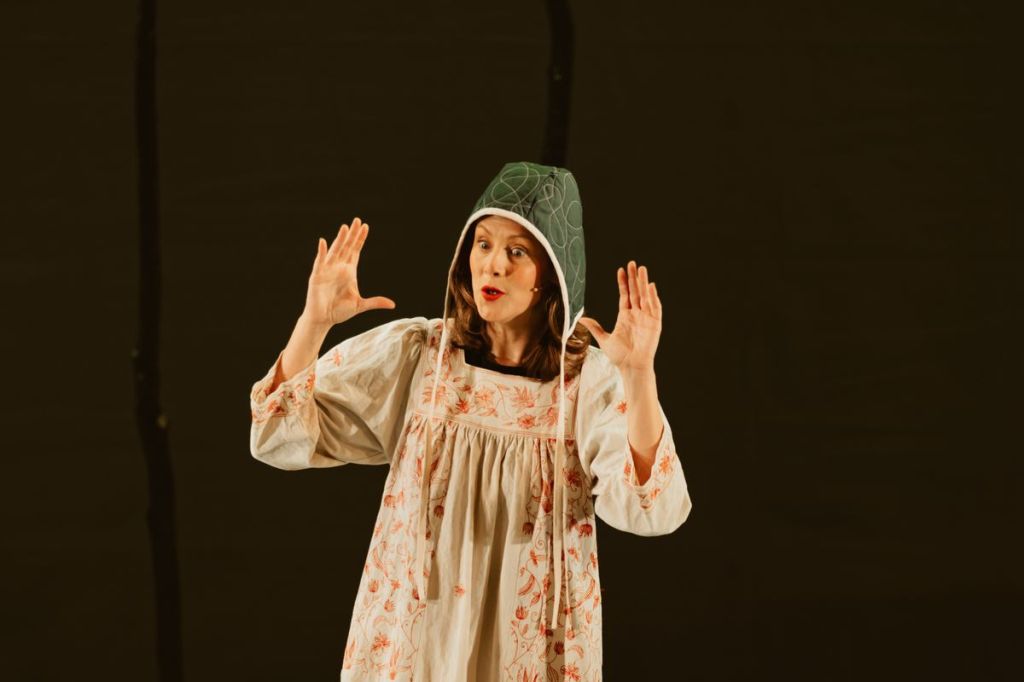
The strength of the production lies in its ability to balance weighty social issues with moments of genuine levity. The actors – including Sasha Desouza-Willock, Gordon Millar, Petra Joan-Athene, Priya Davadra, Joe McMamara, Abdul-Malik Janneh, Zoe Zak, Megan Grech, and Adam Seridji – deliver performances that are both endearing and insightful, capturing the essence of fifth-graders while also conveying the depth of their emotions. Additionally, the seamless transition between the roles of children and adults showcases the versatility of the cast. Dame Vanessa Redgrave DBE, as much an activist as she is an actress, provides the voice of Queen Elizabeth II.
The inclusion of diverse perspectives within the narrative enriches the storytelling, allowing for nuanced portrayals of complex social issues. Through Ahmet’s journey and the reactions of his classmates, the play offers a multifaceted exploration of identity, belonging, and cultural differences. This multifaceted approach not only deepens the audience’s engagement with the story but also encourages critical thinking and dialogue surrounding topics such as racism, prejudice, and social (in)justice.
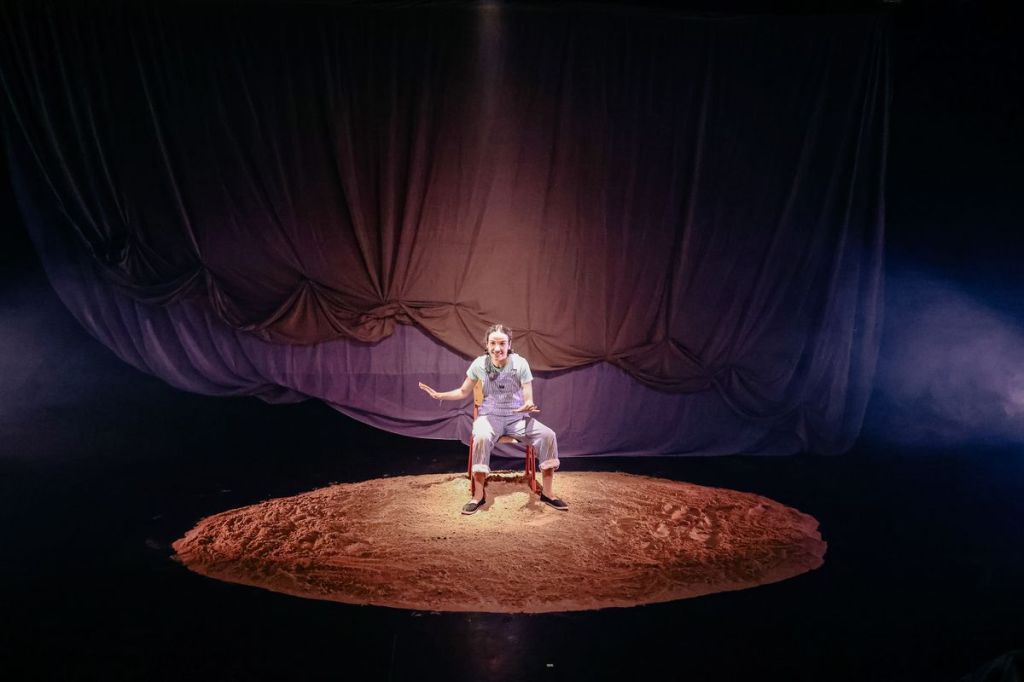
Touko’s vision shines through in the dynamic set design (Lily Arnold) and innovative staging. From the confines of the classroom to the bustling streets of London, the use of lighting (Ryan Day) and modular set pieces effectively transports the audience into the world of the play. The incorporation of musical and dance numbers adds an extra layer of charm, further engaging viewers of all ages.
While The Boy primarily targets younger audiences, its message resonates universally. Through the character of Mrs. Khan, portrayed with warmth and wisdom, the play emphasises the importance of empathy and understanding in bridging cultural divides. However, it is worth noting that some aspects of the narrative delve into political territory that could be challenging for younger viewers to fully grasp without proper context.
The collaborative efforts of the creative team behind The Boy contribute to its overall impact and effectiveness as a piece of theatre. From the evocative set design to the stirring musical
compositions (Giles Thomas), each element of the production is meticulously crafted to enhance the audience’s experience and evoke emotional resonance. The dedication and passion of everyone involved in bringing the play to life are palpable, resulting in a truly immersive and unforgettable theatrical experience. Nevertheless, the production succeeds in sparking meaningful conversations about social equality.
As reflected in the observations of my friend, a teacher at a Manchester-based special-needs school, the play’s portrayal of school dynamics and the influence of parental attitudes offer valuable insights into the challenges faced by immigrant children in educational settings. The play is an insightful reminder of the power of compassion and solidarity in the face of adversity. Through its heartfelt storytelling, stellar performances, and timely themes, the production not only entertains but also inspires audiences to embrace empathy and advocate for a more inclusive society.
As the global refugee crisis continues to unfold, the play serves as a vital tool for raising awareness and fostering understanding among audiences of all ages. By shedding light on the challenges faced by refugee children, the production prompts viewers to reflect on their own roles in creating a more welcoming and supportive society.
The Boy at the Back of the Class is not only a compelling piece of theatre but also presents itself as a powerful catalyst for social change. Through its thought-provoking storytelling, dynamic
performances, and educational significance, it serves as a testament to the transformative power of art in addressing pressing social issues. As audiences depart the theatre, they are left with a renewed sense of empathy, a deeper understanding of the refugee experience, and a commitment to fostering a more inclusive and compassionate world for all.
The Boy at the Back of the Class runs at the Lowry (Lyric Theatre) until March 30 and tours the UK until June 8.
Photo: Manuel Harlan
 JADAR
JADAR 