
★★★☆☆
Cheok: A journal through abstraction and tradition.
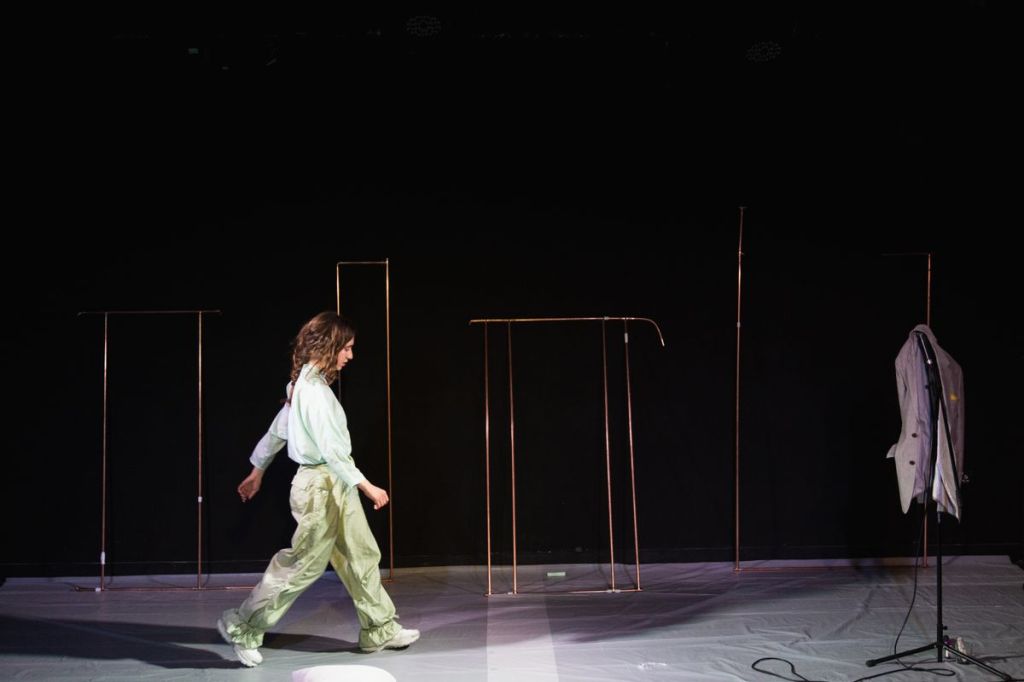
In the dimly lit theatre, Cheok by Ae-soon Ahn unfolds like a whispered secret, a dance that speaks the language of the ancient span of the hand. This performance, presented by the National Asian Culture Centre Foundation, is a delicate interplay of body and space, light and shadow, tradition and modernity.
The concept of the Cheok, an old Asian measurement, serves as a poignant metaphor for resisting the cold uniformity of contemporary life. Ae-soon Ahn’s choreography, rich in complexity, weaves through this theme with mystery and virtuosity. The dancers move as if tracing invisible lines, their bodies drawing connections that transcend logic and delve into the deeply personal.
On stage, the six dancers exhibit remarkable technique and control, their bodies moving with precision and grace. They create a living tapestry of movement and stillness. However, the abstract nature of the choreography made it challenging to find a narrative or emotional anchor. Without a clear storyline or relatable context, the performance seemed more like a display of technical prowess than a compelling artistic statement.
Dance is like a poem in which every moment is a word. Each step and gesture tells a story and evokes feelings in a way that words alone cannot. Just as some poems are easily understood and appreciated for their beauty and simplicity, some are more complex and challenging, requiring deeper reflection and analysis. Cheok, to me, seems more like the latter. Even with the relatively simple moves and small crew, the abstract concept of the dance is beyond my appreciation of art. Especially at the end, the principal male dancer spits white liquid from his mouth, adding weirdness and confusion to the performance rather than beauty and mystery.
The show interplays dance with two video pieces at the beginning and end. Video projections add layers of depth, transforming the stage into a dynamic landscape where ancient symbols and modern visuals intertwine. The haunting and ethereal soundscape wraps around the audience, drawing them deeper into the performance’s embrace. This form of artistic expression reminds me of Barnett Newman’s paintings. Using simple colours, lines and geometric patterns, you can still feel a sense of quiet emotional storm even if you are unsure what the creator wants to express.
Personally, I don’t dare to say how much I know about Korean culture. However, as an Asian and even somewhat a fan of K-art, the abstraction and the lack of a clear narrative become a barrier that kept me at arm’s length. The beauty of Cheok lies in its subtlety, but this same subtlety can make it challenging to connect with on a visceral level. It is a dance that demands patience and an openness to ambiguity, qualities that not all viewers may possess.
Cheok straddles the line between the tangible and the ephemeral. It is a sophisticated dance that celebrates individuality and tradition through an abstract lens, offering a sensory-rich experience that is both beautiful and challenging. For those willing to embrace its ambiguity and dive into its depths, Cheok provides a thought-provoking reflection on the nature of precision and the human connection. But for others, it may remain an intriguing yet distant enigma, a dance of shadows and whispers just beyond reach.
Cheok runs at the Lowry (Quays Theatre) until June 4.
Photo: ⓒACI BHT00

 JADAR
JADAR 